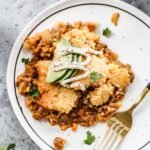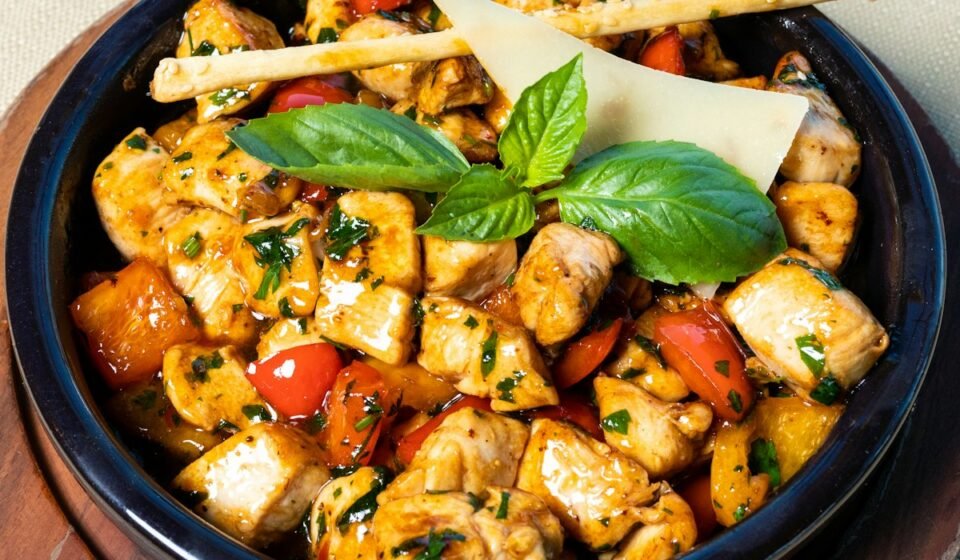

There are dinners that quietly earn a permanent spot in the weekly rotation, and for my family, one-pot Tuscan chicken has held that place for years. It is the meal I pull out on busy weeknights when I want something that feels like a treat without spending an hour hovering over the stove. Everything comes together in a single skillet: juicy, golden-brown chicken, a creamy garlic-and-flavor-rich sauce, the sweet bite of sun-dried tomatoes, and handfuls of fresh spinach that wilt right into the pan. Just one pot, a handful of everyday ingredients, and about half an hour of hands-on cooking stand between you and a dinner that tastes like it came from a countryside trattoria.
When I first started making this dish, I was looking for a way to use the jar of sun-dried tomatoes that had been sitting in my pantry for weeks. The combination of those concentrated tomatoes, fragrant garlic, and a splash of cream turned out to be the kind of simple alchemy that makes home cooking feel genuinely exciting. Over time I have refined the technique, tested the ratios, and settled on the version I make again and again. It is forgiving enough for a beginner and impressive enough for a weekend date night, which makes it a genuinely useful recipe to have in your pocket.
What I love most is that it works as both a cozy winter meal and a lighter summer dinner. Serve it with crusty bread in January and it warms you from the inside out. Pair it with a crisp salad on a warm evening and it feels fresh and bright. The sauce is the star, rich and glossy, clinging to every surface it touches. Once you make it once, you will understand exactly why this recipe has earned its place in my rotation, and I think it will earn a place in yours too.
Why You Will Love This One-Pot Tuscan Chicken
- One skillet, minimal cleanup: The entire dish cooks in a single large pan, which means less washing up and more time at the table.
- Rich, restaurant-style sauce: A combination of cream, Parmesan, garlic, and sun-dried tomatoes creates a glossy sauce that tastes far more elaborate than it is.
- Ready in about 35 minutes: From the moment you start searing the chicken to the final simmer, dinner is on the table in roughly half an hour.
- Family-friendly: The flavors are comforting and familiar, so even picky eaters tend to enjoy it, especially when served over rice or pasta.
- Naturally low-carb friendly: Skip the starch and the dish is satisfying on its own, with a good amount of protein and greens.
- Easy to scale: The recipe doubles beautifully for gatherings, and it also halves easily for a single serving.
Key Ingredients and Why They Matter
Every ingredient in this recipe plays a specific role, and understanding that role makes cooking it feel effortless. Let me walk you through each one.
Chicken Breasts
I use boneless, skinless chicken breasts sliced into thin cutlets. Slicing them thinly serves two purposes: it shortens the cooking time, and it keeps the meat juicy because it cooks through before it has a chance to dry out. If you prefer chicken thighs, they work beautifully here too, and they bring a bit more fat and flavor to the party. The important thing is to season the chicken well on both sides before searing.
Sun-Dried Tomatoes
Sun-dried tomatoes pack an intense, sweet, and slightly tangy punch that regular tomatoes simply cannot match. I recommend the ones packed in oil, because they are soft, easy to chop, and their oil can be used in the pan if you want extra flavor. If you only have the dry ones, rehydrate them in hot water for ten minutes before slicing. They are the ingredient that gives this dish its distinctive Tuscan character.
Garlic
Fresh garlic is non-negotiable here. Pre-minced garlic lacks the pungent brightness that fresh cloves provide. You want four cloves, minced as finely as you can manage, so the garlic melts into the sauce rather than leaving harsh chunks. Cook it gently until fragrant, about a minute, and resist the urge to brown it, burned garlic turns bitter.
Heavy Cream
Heavy cream gives the sauce its luxurious body and silky texture. It also helps mellow the acidity of the tomatoes and brighten the whole dish. If you want a lighter version, half-and-half works, though the sauce will be a little thinner. For a dairy-free take, full-fat coconut milk is a surprisingly effective stand-in, adding a subtle sweetness that pairs nicely with the garlic and oregano.
Parmesan Cheese
Parmesan binds the sauce together and brings a salty, nutty richness that ties the dish together. Buy a wedge and grate it yourself; pre-shredded cheese is coated with anti-caking agents that stop it from melting smoothly. Add it slowly, off the heat, so it dissolves into the sauce instead of clumping.
Baby Spinach
Spinach adds color, nutrients, and a gentle earthiness that balances the richness of the cream. It wilts in about one minute, so do not simmer it long. Two cups may look like a lot in the bowl, but it shrinks dramatically as soon as it hits the warm sauce.
Ingredient Substitutions and Variations
This recipe is wonderfully flexible, and you can adjust it to whatever is in your kitchen without losing its soul. Here are the substitutions I rely on most often.
- Protein swaps: Chicken thighs, shrimp, or even firm tofu work in place of the chicken breasts. Shrimp cook in just a few minutes, so add them near the end.
- Dairy-free: Use full-fat coconut milk instead of cream and a dairy-free Parmesan alternative, or simply skip the cheese and season with a little extra salt and nutritional yeast.
- Tomato alternatives: If you do not have sun-dried tomatoes, substitute one chopped fresh tomato plus one tablespoon of tomato paste, cooked with the garlic to deepen the flavor.
- Add vegetables: Mushrooms, sliced bell peppers, or cherry tomatoes all fold in beautifully. Add mushrooms with the garlic so they soften and release their juices.
- Make it spicy: Stir in a pinch of red pepper flakes, or a spoonful of Calabrian chili paste, for a gentle heat.
- Herb swap: Fresh basil or thyme can stand in for oregano. Stir fresh herbs in at the very end to keep their brightness.
Step-by-Step Instructions with Pro Tips
Follow these steps and you will get a reliably delicious result every single time. I have broken everything down so nothing gets overlooked.
Step 1: Season the Chicken
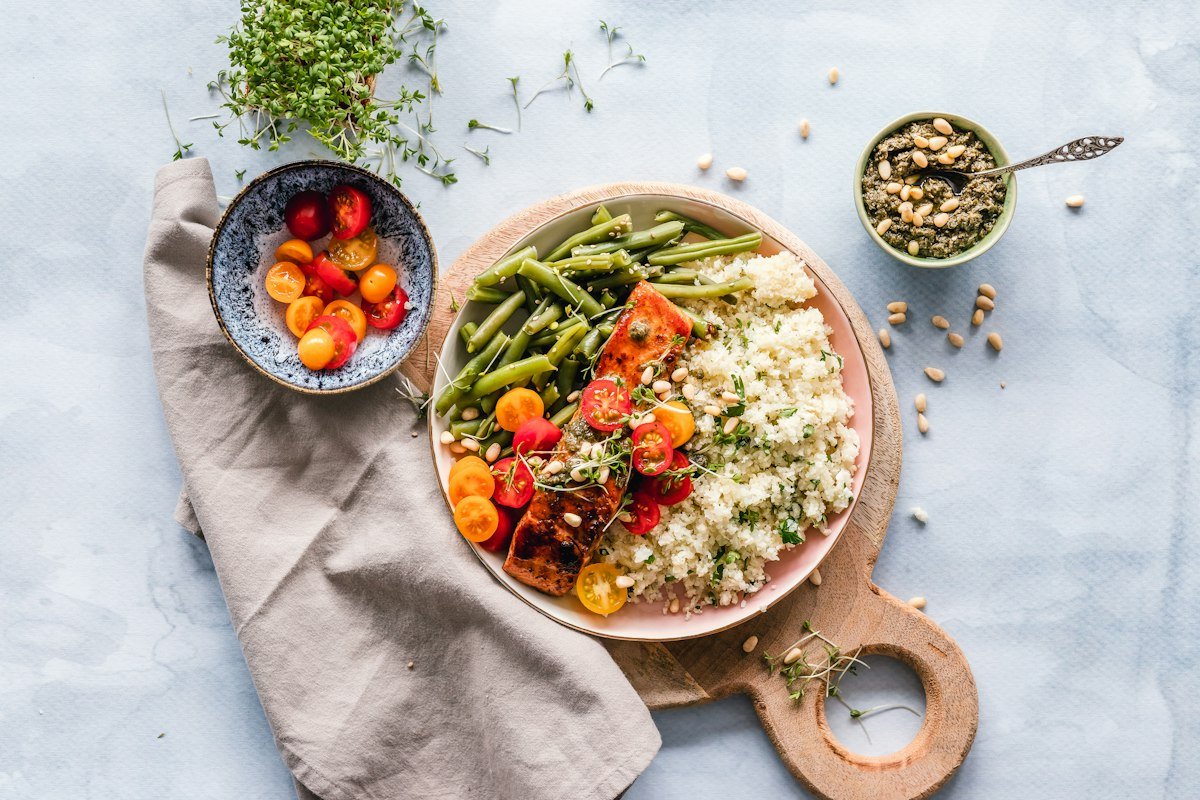
Pat the chicken cutlets dry with paper towels. This step matters more than you might think, dry chicken sears better and develops a golden crust instead of steaming in its own liquid. Season both sides generously with salt and freshly ground black pepper. Do not be shy; the seasoning is what gives the chicken its inner flavor.
Step 2: Sear Until Golden
Heat the olive oil in a large skillet over medium-high heat. The pan needs to be hot enough that the chicken sizzles the moment it touches the oil, but not so hot that it burns. Add the chicken in a single layer, working in batches if your pan is crowded, and cook for three to four minutes per side. You are looking for a deep golden-brown color. Once seared, transfer the chicken to a plate and set it aside. It is okay if it is not fully cooked through at this point; it will finish in the sauce.
Step 3: Build the Flavor Base
Reduce the heat to medium and melt the butter in the same skillet that already holds the chicken juices. Add the minced garlic and chopped sun-dried tomatoes, and cook for about one minute until the garlic is fragrant. The browned bits left in the pan from searing are pure flavor, and they will melt into the sauce during the next step, so leave them where they are.
Step 4: Make the Creamy Sauce
Pour in the chicken broth and use a wooden spoon or spatula to scrape up all the browned bits from the bottom of the pan, a technique often called deglazing. Let the broth simmer for two minutes, which allows it to reduce slightly and concentrate its flavor. Stir in the heavy cream, grated Parmesan, dried oregano, and red pepper flakes if you are using them. Bring everything to a gentle simmer and let it cook for three to four minutes, stirring occasionally, until the sauce has thickened just enough to coat the back of a spoon. If it seems too thick, add a splash more broth; if too thin, let it bubble a little longer.
Step 5: Wilt the Spinach
Add the baby spinach to the pan and stir it into the hot sauce. It will wilt within about a minute, so keep moving it around the pan to combine it evenly. Once the spinach has turned bright green and softened, the sauce is ready for the chicken to return.
Step 6: Finish and Serve
Return the seared chicken to the skillet and spoon some of the sauce over the top of each piece. Let everything simmer gently for two to three minutes, just long enough for the chicken to finish cooking through and soak up the sauce. If you are serving it with a starch, now is the moment to plate up. Serve the chicken hot, with generous spoonfuls of sauce, and let everyone help themselves to the crusty bread, pasta, or rice of their choice.
Pro Tips for Guaranteed Success
- Slice the breasts evenly: Even, thin cutlets cook at the same rate, which keeps everything juicy. If your breasts are thick, place them between two sheets of plastic wrap and pound them gently with a rolling pin.
- Do not crowd the pan: Overcrowding lowers the pan temperature and causes the chicken to steam instead of sear. Sear in two batches if needed.
- Use oil-packed tomatoes: They are softer and more flavorful than the dry kind. Reserve a spoonful of their oil to use in the pan for extra depth.
- Grate your Parmesan: Freshly grated cheese melts smoothly, while pre-shredded bags can turn the sauce grainy.
- Taste before salting: Parmesan and sun-dried tomatoes are both salty, so taste the sauce before adding any salt.
- Keep the cream calm: Simmer the sauce gently rather than boiling it hard, which can cause the cream to separate.
- Let it rest: A few minutes off the heat lets the sauce settle and the chicken relax into juiciness.
What to Serve with Tuscan Chicken
This dish is wonderfully versatile when it comes to side dishes. The most important thing is something to soak up the sauce. Here are the pairings I turn to depending on the mood and the season.
- Crusty bread: The classic choice. A warm loaf of sourdough or a baguette is perfect for wiping the plate clean.
- Buttery mashed potatoes: Creamy potatoes amplify the creaminess of the sauce into something truly indulgent.
- Linguine or pappardelle: Toss the pasta directly in the sauce before plating so every strand is coated.
- Fluffy white rice: Plain rice offers a neutral canvas that lets the Tuscan sauce shine.
- Roasted vegetables: Asparagus, zucchini, or green beans roasted until tender add a fresh, healthy counterpoint.
- Caesar salad: A crisp salad with a lemony dressing cuts through the richness beautifully.
- Polenta: Soft, buttery polenta is an elegant pairing that feels both rustic and refined.
Storage and Reheating Guide
One of the best parts of this recipe is that leftovers are genuinely delicious, sometimes even better than the first night, since the flavors have time to mingle. Store any leftovers in an airtight container in the refrigerator for up to three days. When you are ready to reheat, the gentle approach works best. Warm the chicken and sauce in a skillet over low heat, adding a splash of broth or milk if the sauce has thickened, which is common once it cools and the cream sets. I do not recommend reheating in the microwave, because the cream sauce can become grainy over high heat. And while you can freeze this dish, the cream sauce may separate slightly when thawed. If you do freeze it, thaw it overnight in the refrigerator and reheat gently, whisking as it warms to bring the sauce back together.
Make-Ahead and Meal Prep Tips
This recipe is a natural fit for meal prep because it reheats so well. Here is how I make it work for a busy week.
- Prep the chicken ahead: Slice and season the chicken cutlets up to a day in advance and keep them covered in the fridge.
- Chop the aromatics: Mince the garlic and chop the sun-dried tomatoes the night before, storing them in small containers.
- Cook a double batch: The sauce reheats beautifully, so doubling the recipe gives you two easy dinners or several lunch portions.
- Freeze in portions: Portion the leftover chicken and sauce into freezer-safe containers and freeze for up to two months.
- Pair with a prepared side: Cook extra rice or pasta at the start of the week so the whole meal comes together in minutes.
How to Scale This Recipe Up or Down
Scaling is straightforward because the ratio of ingredients stays the same. To serve more people, simply increase the chicken and keep the sauce quantities in proportion. Here is an easy guide.
- For two people: Use one pound of chicken, half the sauce ingredients, and one generous cup of spinach.
- For six to eight: Use three pounds of chicken, double the sauce, and increase the searing time in batches. The final simmer may take a few minutes longer.
- Feeding a crowd: This dish also works well as a pasta bake. Skip the final simmer, combine the sauced chicken with cooked penne, bake at 375°F until bubbly.
Frequently Asked Questions
Can I use chicken thighs instead of breasts?
Yes. Boneless, skinless chicken thighs stay remarkably juicy and add a little extra flavor. Sear them the same way, but plan on a few extra minutes in the final simmer because thighs benefit from a longer cook.
Can I make this recipe dairy-free?
Absolutely. Swap the heavy cream for full-fat coconut milk and skip the Parmesan, or use a dairy-free alternative. The flavor shifts slightly, but the dish is still creamy and delicious.
What can I substitute for sun-dried tomatoes?
If you do not have them, use one chopped fresh tomato along with one tablespoon of tomato paste. Cook the paste with the garlic to deepen its flavor before adding the liquid.
Is this recipe low-carb or keto-friendly?
Yes. Skipping the starch leaves a low-carb meal with a good ratio of protein and vegetables. The cream and cheese add fat, which makes it suitable for a keto-style diet.
Can I add cream cheese or other cheese to the sauce?
Chèvre, cream cheese, or even a spoonful of mozzarella can be stirred in for extra creaminess. Just melt them in gradually and keep the simmer gentle.
What if my sauce is too thin?
Let it simmer for a few extra minutes to reduce, or stir in a little more Parmesan, which acts as a natural thickener.
How do I know the chicken is done?
The chicken is fully cooked when it reaches an internal temperature of 165°F (74°C). If you do not have a thermometer, cut into the thickest piece and check that the juices run clear and the center is no longer pink.
Frequently Asked Questions
If you have more questions, you are not alone. This recipe prompts a lot of them, which is a good sign, it says people are cooking it. Feel free to leave a comment if your question is not answered here.
- Prep time: 10 minutes
- Cook time: 25 minutes
- Total time: 35 minutes
- Servings: 4
The next time you want a comforting, restaurant-worthy dinner that does not demand hours in the kitchen, give this one-pot Tuscan chicken a try. It has earned its place in our weekly rotation, and I have no doubt it will earn one in yours. Buon appetito!